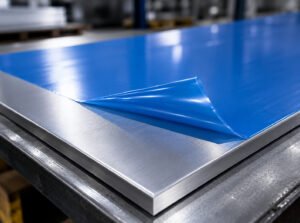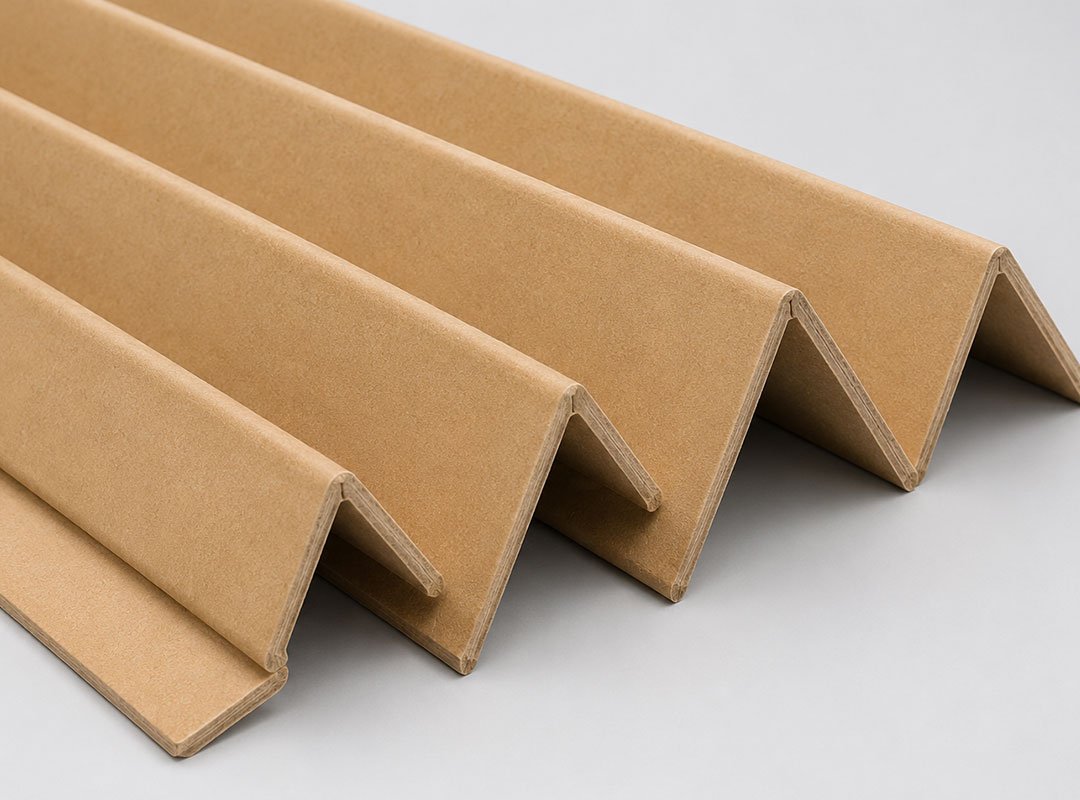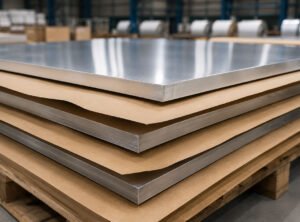
Selecting the right Industrial Interleaving Paper GSM is essential for protecting metal products during manufacturing, storage, and transportation. Whether used for stainless steel sheets, cold rolled steel, galvanized steel, aluminium coils, copper strips, or electrical steel, interleaving paper acts as a protective barrier that prevents scratches, pressure marks, contamination, moisture exposure, and corrosion.
Many buyers focus only on GSM while selecting packaging materials. However, understanding how to select the right GSM for interleaving paper requires evaluating multiple technical factors. Two papers with the same GSM can differ significantly in tensile strength, thickness, fibre quality, moisture resistance, and surface smoothness depending on the manufacturing process and raw materials used.
According to the World Steel Association, global crude steel production exceeds 1.8 billion tonnes annually, while global primary aluminium production is over 70 million tonnes each year. A substantial volume of these metals is stored, transported, slit, rewound, or exported before reaching end users, making effective protective packaging critical for maintaining product quality.
This guide explains how manufacturers can select the appropriate Industrial Interleaving Paper GSM based on technical requirements, operating conditions, and packaging performance instead of relying solely on paper weight.
1. Understand What GSM Actually Represents
GSM, defined under ISO 536, measures the weight of one square metre of paper. Although it indicates basis weight, it does not directly measure strength, durability, or protective capability. Two 70 GSM papers can perform differently depending on fibre composition, pulp quality, manufacturing density, and bonding strength. GSM should therefore be evaluated alongside other physical and mechanical properties rather than being treated as the only selection criterion.
2. Match GSM to the Metal Being Protected
Selecting the appropriate Industrial Interleaving Paper GSM begins with understanding the type, thickness, and weight of the metal being packaged. Lightweight aluminium foils, copper strips, and thin stainless steel sheets generally require lighter interleaving papers, whereas heavy steel sheets, galvanized coils, and thick metal plates demand higher GSM papers that can withstand greater compressive loads without tearing or collapsing. Selecting GSM according to the product’s weight ensures sufficient protection without adding unnecessary packaging material.
3. Consider Surface Finish Before Paper Weight
Choosing the right Interleaving Paper for Steel and Aluminium Sheets requires careful evaluation of the product’s surface finish. Mirror-finish stainless steel, anodized aluminium, decorative copper, and coated steel are highly susceptible to microscopic scratches during handling and transportation. In these applications, a smooth paper manufactured from high-quality virgin pulp with uniform fibre distribution often provides better protection than a heavier paper with a rough surface. Evaluating surface smoothness alongside GSM helps minimise abrasion while preserving the appearance and commercial value of finished metal products.
4. Factor in Storage and Transportation Conditions
Packaging requirements vary depending on how long the product will remain in storage and the transportation conditions involved. Materials shipped domestically for immediate use generally require less robust protection than products exported overseas or stored for extended periods. Long-duration storage and ocean freight expose metals to vibration, compression, humidity fluctuations, and container condensation. Selecting a suitable GSM helps the paper maintain its structural integrity throughout the logistics cycle and reduces the risk of mechanical damage.
5. Evaluate Thickness Along with GSM
Thickness, or caliper, measured under ISO 534, determines the physical separation between adjacent metal surfaces. Papers with the same GSM may have different calipers because density varies with fibre type and manufacturing conditions. Higher-density papers provide better dimensional stability, while lower-density papers generally offer improved cushioning. Considering GSM together with caliper ensures the paper delivers the required balance between protection, stackability, and processing efficiency.
6. Verify Mechanical Strength
Industrial interleaving paper undergoes continuous stress during slitting, rewinding, sheet stacking, palletisation, and automated packaging. Tensile strength, measured according to ISO 1924, indicates the paper’s resistance to breaking under load, while burst strength under ISO 2758 reflects its ability to withstand concentrated pressure. Higher GSM does not automatically guarantee better mechanical performance, making these tests essential when evaluating industrial packaging materials.
7. Moisture Management Is Critical
Moisture is one of the primary causes of corrosion during storage and transportation. Simply increasing GSM does not improve moisture protection. Effective interleaving paper maintains balanced absorbency, controlled moisture content, and stable fibre structure to minimise condensation-related damage. Properties such as Cobb value, moisture percentage, and neutral pH are often more important than basis weight in protecting metal surfaces over long storage periods.
8. Check Chemical Compatibility
Industrial interleaving paper often remains in direct contact with finished metal products for weeks or months. Papers containing acidic compounds, excessive chlorides, sulphates, or lignin can contribute to corrosion, oxidation, and surface staining over time. Acid-free papers with neutral pH and controlled chemical composition are therefore preferred for stainless steel, aluminium, copper, and other high-value metals where maintaining surface integrity is essential. When selecting Interleaving Paper for Steel and Aluminium Sheets, buyers should always verify the paper’s chemical properties in addition to its GSM.
9. Ensure Compatibility with Manufacturing Processes
Modern production facilities rely on high-speed slitting lines, cut-to-length systems, rewinding machines, and automated packaging equipment. Papers with inconsistent GSM, poor winding quality, or uneven moisture distribution can lead to web breaks, machine stoppages, dust generation, and alignment issues that reduce operational efficiency. Consistent basis weight, stable roll formation, and controlled manufacturing tolerances improve machine performance while reducing production waste and downtime.
10. Higher GSM Does Not Always Mean Better Protection
A common misconception is that selecting the highest available GSM automatically provides the best protection. In reality, unnecessarily heavy paper increases packaging costs, transportation weight, storage space requirements, and handling effort. In applications involving polished stainless steel or decorative aluminium, excessive paper thickness may even contribute to pressure marks when products are tightly stacked. The objective should always be to optimise the Industrial Interleaving Paper GSM according to the product, handling conditions, and storage environment rather than simply choosing the highest specification.
11. Typical GSM Ranges for Industrial Applications
Although exact specifications vary depending on the application, the following GSM ranges are widely used across the metal processing industry.
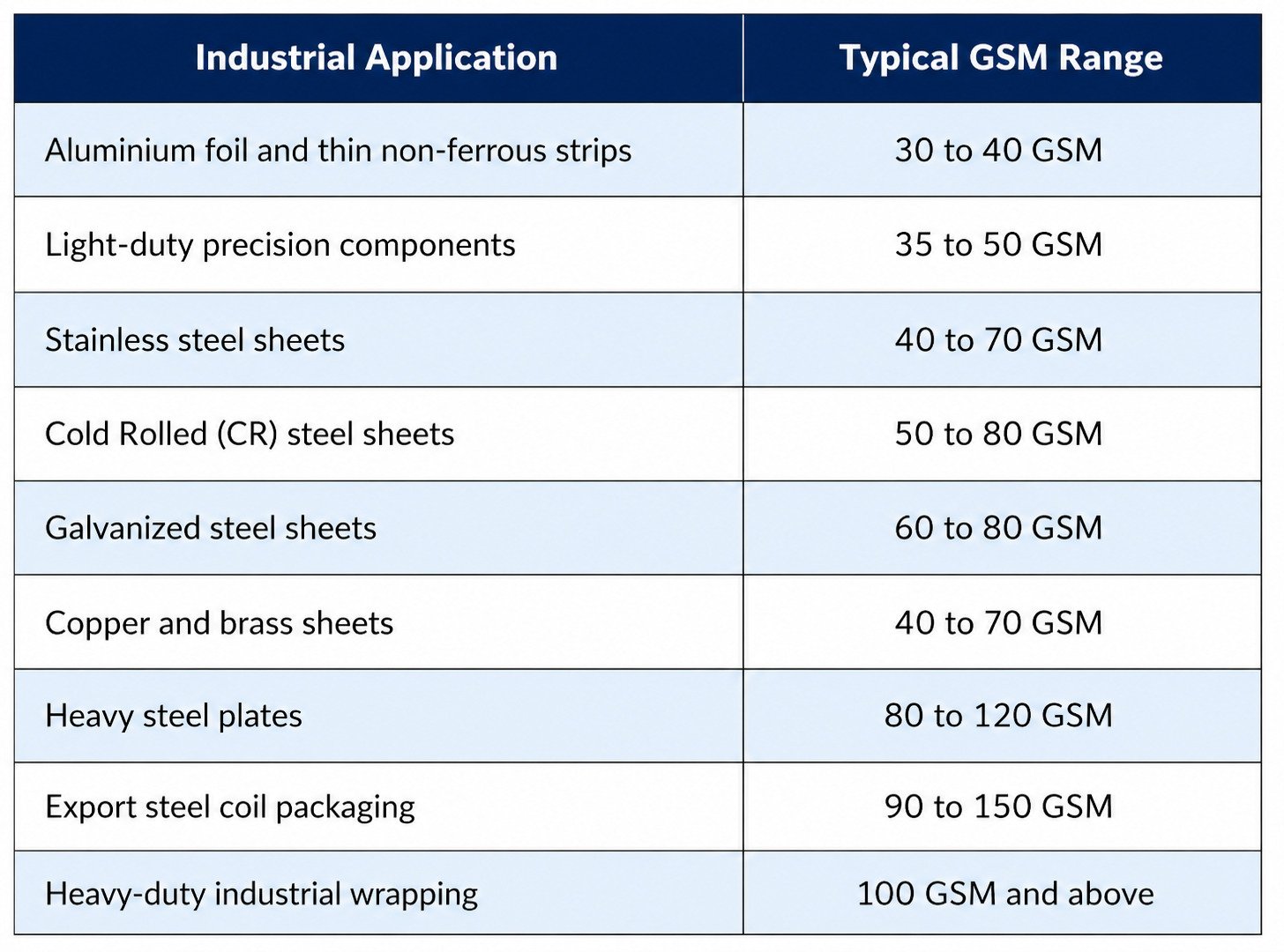
These ranges should be considered as general industry guidelines. The final specification should always account for the metal grade, surface finish, storage duration, handling frequency, transportation conditions, and customer requirements.
12. Evaluate Overall Packaging Cost Instead of Paper Cost
The cost of interleaving paper represents only a small percentage of the total value of finished metal products. However, inadequate packaging can result in rejected shipments, customer complaints, product rework, replacement costs, and production delays that far exceed any savings achieved by selecting a lower GSM or lower-quality paper. Choosing the right specification based on total lifecycle performance provides significantly better long-term value than focusing only on the purchase price of packaging material.
13. Choose a Manufacturer That Offers Custom GSM Solutions
Industrial packaging requirements differ across automotive, engineering, construction, appliance, electrical, and export industries. Standard paper grades may not always provide the required balance of strength, smoothness, moisture control, and machine compatibility. Manufacturers capable of supplying customised GSM, roll sizes, sheet dimensions, and application-specific paper grades enable businesses to optimise product protection, improve operational efficiency, and reduce material wastage. This approach ensures that the paper matches the exact performance requirements instead of forcing the application to fit a standard specification.
Key Technical Parameters to Evaluate Alongside GSM
Selecting Industrial Interleaving Paper GSM should involve a complete technical assessment rather than GSM alone.
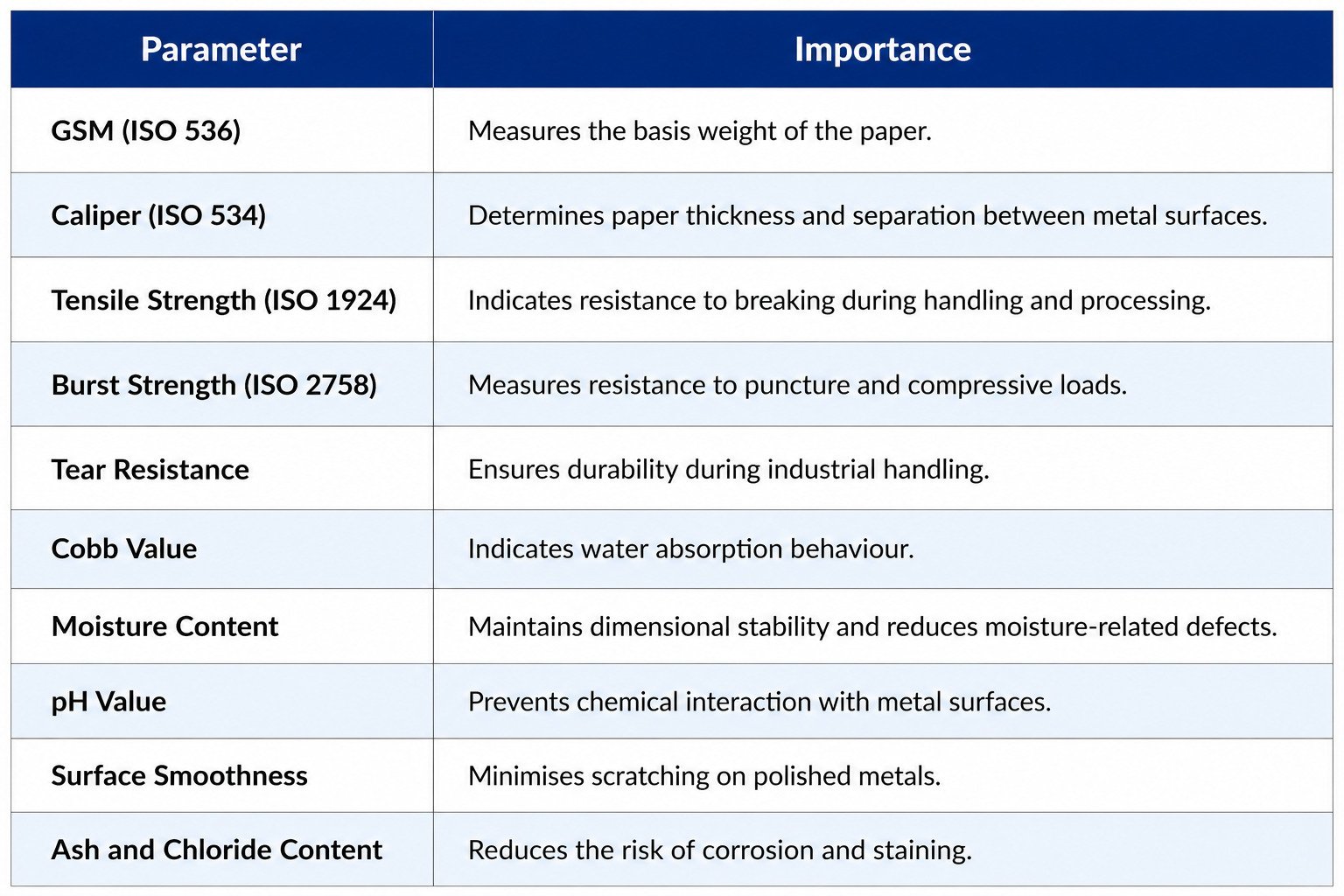
Understanding how to select the right GSM for interleaving paper requires evaluating much more than paper weight. Metal type, surface finish, storage duration, transportation conditions, thickness, mechanical strength, moisture behaviour, and chemical compatibility collectively determine the performance of industrial packaging.
For manufacturers using Interleaving Paper for Steel and Aluminium Sheets, selecting the correct GSM improves surface protection, minimises rejection rates, reduces corrosion risk, and enhances supply chain reliability. The right paper not only protects finished products but also lowers the overall cost of quality by preventing damage throughout storage and transportation.
At Chetak Industries, industrial interleaving papers are manufactured in customised GSM grades with consistent basis weight, controlled moisture, smooth surface finish, and application-specific specifications to meet the evolving requirements of modern metal packaging. By selecting the right Industrial Interleaving Paper GSM based on technical performance rather than paper weight alone, manufacturers can achieve better product protection, improved operational efficiency, and lower overall packaging costs.