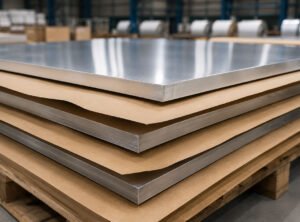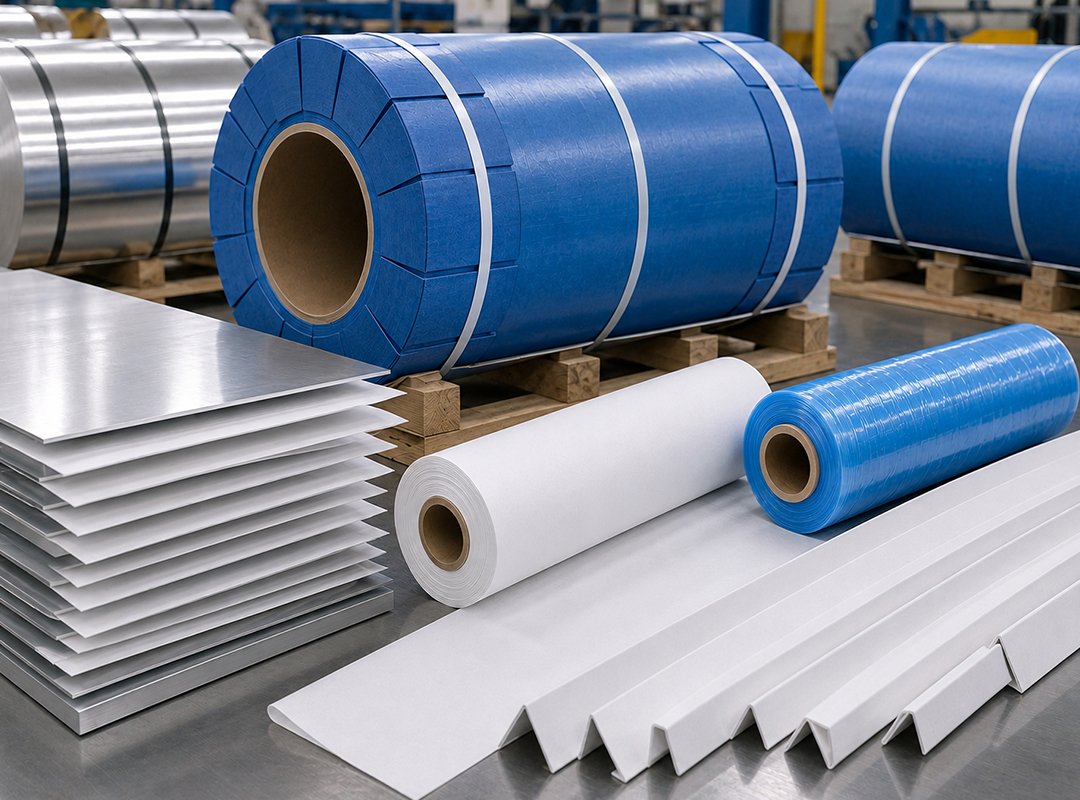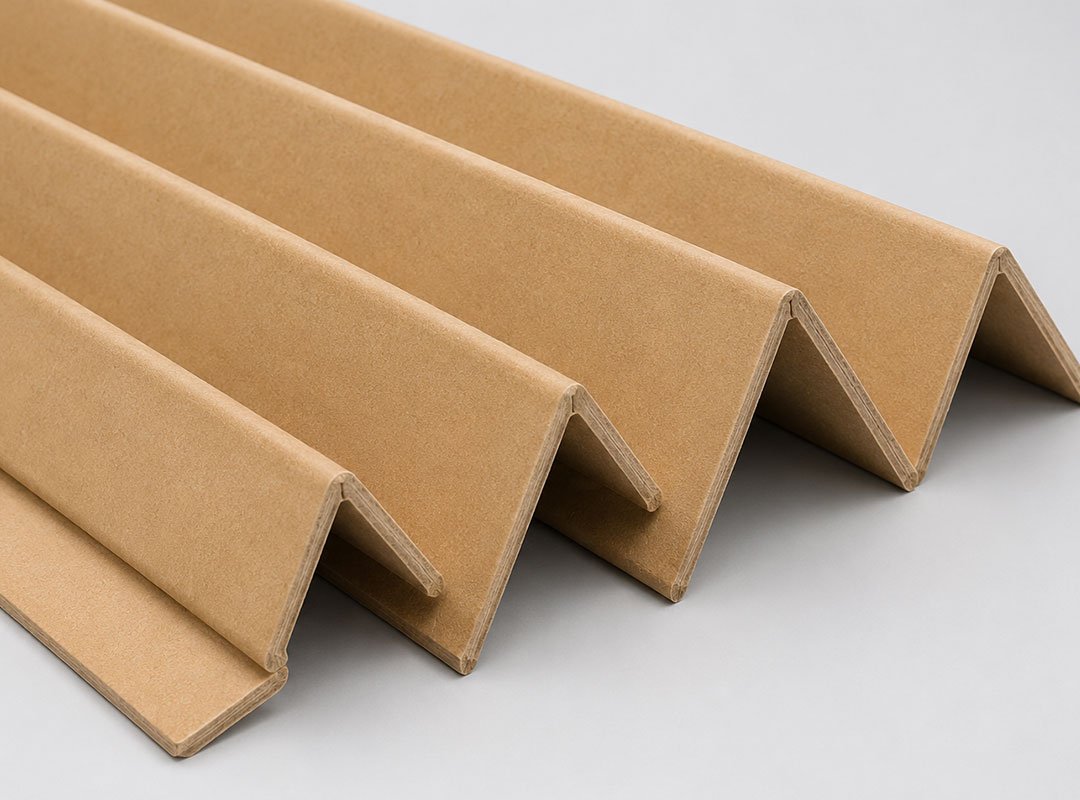
Maintaining flawless surface quality is one of the biggest priorities in aluminum and steel industries. From decorative panels and fabricated components to stainless steel sheets and coated aluminum products, even minor scratches, abrasion marks, or contamination can reduce product value and create rejection risks during installation or final inspection. Surface damage during fabrication, storage, or transportation often results in additional cleaning costs, material wastage, and customer complaints. To avoid such issues, manufacturers rely heavily on protective masking solutions throughout fabrication, transportation, storage, and installation processes. Companies like Chetak Industries, recognized as a reliable Masking Film Manufacturer in India, support industries that require dependable surface protection for sensitive metal applications across demanding industrial environments. However, selecting the right masking solution is not simply about applying a temporary protective layer. Different metal surfaces require different adhesive strengths, film thicknesses, and durability standards. Choosing an unsuitable masking film may lead to adhesive residue, lifting during processing, difficult removal, edge exposure, or inadequate surface protection during handling. Understanding the key factors involved in film selection helps manufacturers improve product quality while reducing operational losses and rejection rates.
1. Surface Finish Determines Film Compatibility
The surface finish of aluminum and steel products significantly affects masking film performance. Metal products are available in several finishes including anodized aluminum, mirror-finish stainless steel, brushed metal, painted surfaces, powder-coated sheets, textured panels, and decorative laminates. Every finish reacts differently to adhesives and protective film behavior. Smooth decorative surfaces generally require low-adhesion films to avoid adhesive transfer, gloss distortion, or removal marks after processing. Textured or rough metal surfaces often require stronger bonding to maintain proper grip during fabrication and transportation cycles.
Aluminum Surface Protection Film is commonly used for decorative aluminum profiles and coated sheets because these surfaces are highly susceptible to scratches during handling, stacking, and movement across production lines. High-gloss decorative materials used in architectural applications and appliance manufacturing demand especially careful surface protection because even fine scratches become highly visible under lighting conditions. Industries working with polished steel products also require carefully engineered masking materials that preserve the original finish without affecting visual quality. An experienced Masking Film Manufacturer in India understands these surface variations and develops application-specific solutions accordingly.
2. Adhesion Strength Is a Critical Factor
Incorrect adhesive strength is one of the leading causes of masking film failure in metal processing applications. The film must remain securely attached during handling, fabrication, and transportation while still allowing smooth removal after use. Weak adhesion may cause the film to peel during transportation, especially around edges and corners exposed to vibration or repeated movement. Excessive adhesion can create removal difficulties, adhesive residue, or surface marks on decorative metal finishes. Masking Film for Stainless Steel is specially designed with balanced adhesive properties because decorative steel applications require both strong protection and clean removability. Stainless steel panels used in elevators, kitchen equipment, appliances, and interior architectural products often remain masked for extended periods during fabrication and warehouse storage. In such cases, adhesive stability becomes extremely important. Industrial users handling aluminum coils, laser-cut sheets, and fabricated components often require customized adhesion levels depending on processing conditions, storage duration, and environmental exposure. Reliable adhesive consistency is one of the reasons manufacturers prefer sourcing products from an established Masking Film Manufacturer in India.
3. Processing Conditions Influence Film Performance
Aluminum and steel products frequently undergo multiple fabrication processes after masking films are applied. These processes may include laser cutting, roll forming, CNC machining, drilling, punching, bending, edge trimming, and automated fabrication operations. The selected film must withstand industrial stress without tearing, shrinking, bubbling, or lifting from the surface. Films exposed to aggressive fabrication environments should maintain dimensional stability throughout the manufacturing cycle. Protective Film for Metal Surfaces is widely used in demanding industrial environments because it provides reliable protection during fabrication and material handling operations. During laser cutting processes, masking films are often expected to resist localized heat exposure while maintaining proper adhesion around processed edges.
Manufacturers operating high-speed coil processing lines or automated sheet handling systems require masking materials capable of maintaining consistent performance under continuous industrial movement. Choosing a masking film without evaluating fabrication conditions can expose sensitive surfaces to scratches, dust contamination, and edge damage during production.
4. Environmental Exposure Affects Durability
Environmental conditions directly influence masking film behavior. Heat, humidity, dust exposure, and sunlight can affect both adhesive stability and film durability during storage and transportation. High temperatures may increase adhesive aggressiveness, particularly during prolonged outdoor storage or container transportation. Humid environments can reduce bonding stability over time and may affect removal performance on certain coated surfaces. Manufacturers transporting decorative metal products over long distances often require weather-resistant films that perform consistently under changing climatic conditions. Export shipments and outdoor warehouse storage frequently expose aluminum and steel materials to fluctuating environmental conditions for extended durations. Aluminum Surface Protection Film used for outdoor storage applications often includes UV-resistant properties to reduce adhesive deterioration during prolonged sunlight exposure. UV stability becomes especially important for coated aluminum sheets and decorative architectural panels stored outdoors before installation. Industrial buyers increasingly prefer suppliers capable of delivering stable masking solutions for challenging environmental conditions where product appearance directly affects final acceptance.
5. Film Thickness Determines Protection Levels
Film thickness plays a major role in determining the level of protection provided during industrial handling, stacking, and transportation. Different applications require different thickness levels depending on abrasion risk and fabrication intensity. Thin films are generally suitable for lightweight protection applications where abrasion risks remain relatively low and flexibility is important during forming operations. Thicker films provide better resistance against scratches, dents, edge damage, and rough handling during heavy industrial movement. Protective Film for Metal Surfaces designed for demanding industrial applications is typically manufactured with higher durability standards to withstand challenging operational conditions. Heavy-gauge metal sheets transported across multiple locations often require stronger protection against surface abrasion caused by stacking or vibration during shipment. However, excessive film thickness may interfere with certain fabrication processes and reduce flexibility during bending or forming operations. Selecting the correct thickness depends on factors such as transportation distance, handling frequency, fabrication intensity, and sensitivity of the metal surface.
6. Clean Removal Improves Operational Efficiency
Adhesive residue is one of the most common problems associated with poor-quality masking films. Residue creates additional cleaning work, increases labor costs, delays installation, and negatively affects product appearance. Industries dealing with decorative metal products require masking solutions that provide reliable protection while ensuring clean removal after fabrication and installation. Films that leave marks or adhesive traces can significantly reduce the visual quality of premium finished products.
Masking Film for Stainless Steel is especially important for applications where aesthetics directly affect customer acceptance, including elevators, appliances, architectural panels, commercial interiors, and decorative fabrication projects. These products are often inspected under strong lighting conditions where even small surface defects become clearly visible. A high-performance masking film should peel off smoothly without leaving contamination, adhesive traces, or surface distortion behind. Stable adhesive systems help manufacturers reduce post-processing cleaning requirements while improving production efficiency and installation speed.
7. Aluminum Applications Require Specialized Protection
Aluminum surfaces are widely used because of their lightweight structure, corrosion resistance, and attractive appearance. However, aluminum products are highly vulnerable to scratches, handling marks, and abrasion during fabrication and transportation. Aluminum Surface Protection Film is extensively used for anodized sheets, coated profiles, curtain wall systems, composite panels, and decorative aluminum surfaces that require consistent finish quality throughout the supply chain. Products exposed to long transportation cycles need films capable of maintaining stable adhesion under fluctuating environmental conditions. Architectural aluminum materials used in construction projects are often transported across multiple locations before final installation, increasing the risk of handling damage. Industrial manufacturers frequently prefer customized masking solutions specifically developed for aluminum applications because standard films may not provide sufficient protection for coated or decorative finishes. An experienced Masking Film Manufacturer in India generally recommends application-specific films based on fabrication methods, environmental exposure, and handling requirements.
8. Steel Applications Need Durable Protection
Steel processing environments often involve heavy fabrication activities, repeated material movement, and extensive handling operations. Decorative steel sheets and polished panels are highly susceptible to visible surface damage during these industrial processes. Masking Film for Stainless Steel helps preserve product quality during fabrication, transportation, storage, and installation processes. Stainless steel products used in commercial interiors, elevators, kitchen systems, and industrial equipment require consistent surface protection to maintain their visual appearance. The film must resist tearing while maintaining stable adhesion throughout fabrication activities such as bending, cutting, punching, and forming. Protective masking solutions used for decorative steel applications are expected to deliver durability along with easy removability without affecting the original surface finish. High-quality masking materials play a major role in reducing rejection rates for premium steel products where appearance standards remain extremely strict.
9. Manufacturing Consistency Matters
Consistency in masking film production directly affects industrial performance. Variations in adhesive coating, film thickness, or raw material quality can create unpredictable application and removal results across production batches. Protective Film for Metal Surfaces must deliver uniform adhesion and stable protection throughout large-scale industrial operations to ensure reliable manufacturing performance. Inconsistent films may create edge lifting, uneven bonding, or removal difficulties during fabrication. Industrial manufacturers handling premium metal finishes usually prefer suppliers capable of maintaining strict production quality standards and consistent material specifications. Reliable manufacturing consistency helps reduce product rejection, improve operational predictability, and maintain stable processing performance across supply chains. Working with a dependable Masking Film Manufacturer in India helps businesses maintain consistent protection quality across multiple industrial applications involving aluminum and steel surfaces.
10. Cost Should Be Evaluated Beyond Material Price
Many businesses choose masking films based only on initial purchase price. However, low-quality films often create significantly higher operational costs due to damaged surfaces, rejected shipments, adhesive residue, production delays, and additional labor requirements. Aluminum Surface Protection Film with stable adhesive quality and reliable durability helps manufacturers reduce wastage while improving production efficiency. Similarly, investing in high-quality masking materials reduces long-term losses caused by scratches, surface defects, and quality complaints from customers. Poor masking performance can lead to expensive rework, cleaning expenses, delayed deliveries, and replacement of damaged decorative products. These indirect costs frequently exceed the initial savings achieved through low-cost film selection. When evaluated from a total operational perspective, premium masking films provide substantially better long-term value than low-cost alternatives. Selecting dependable industrial protection materials ultimately improves both product quality and customer satisfaction.
11. Industry Expertise Helps Improve Selection
Choosing the correct masking solution requires understanding not only the surface material but also the complete manufacturing and logistics process. Factors such as fabrication methods, environmental exposure, transportation conditions, storage duration, and handling frequency all influence masking film performance. A reliable Masking Film Manufacturer in India generally provides technical guidance based on industrial application requirements instead of offering generic solutions. Manufacturers increasingly prefer suppliers with expertise in aluminum and steel surface protection because customized recommendations help reduce quality risks and improve operational reliability. Technical knowledge plays a major role in selecting the right protective solution for industrial metal applications where product appearance and finish consistency directly affect customer acceptance. Masking films have become an essential part of modern aluminum and steel manufacturing because they help prevent scratches, contamination, abrasion, and handling damage throughout the production cycle. Selecting the right masking solution requires careful evaluation of surface finish, adhesion strength, environmental exposure, processing conditions, and film thickness. Protective Film for Metal Surfaces continues to play a major role in maintaining product quality across industrial applications involving decorative and fabricated metal products. As industries continue to demand flawless finishes and stricter quality standards, manufacturers increasingly rely on advanced masking solutions to maintain product integrity, reduce rejection risks, and improve operational efficiency across aluminum and steel applications.